
Planning a Facility Chemical Cleanout: Information to Gather
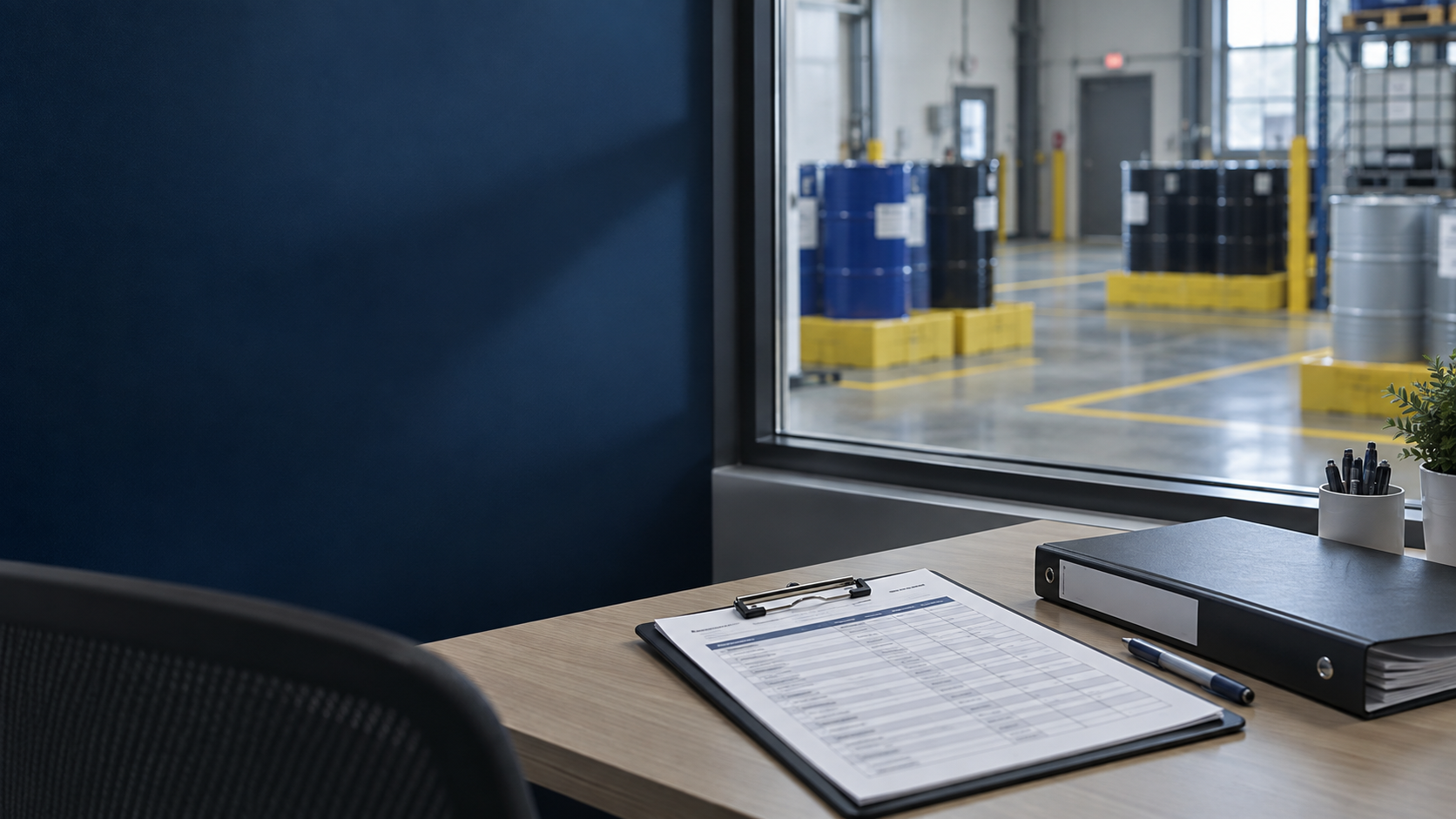
Prepare an accurate inventory before deciding how a chemical cleanout will proceed.
A facility cleanout can start with a familiar discovery: old containers in a storage area, products left after a process change, or materials inherited when a department moved. Booking a truck before understanding what is present can leave important questions unanswered.
The useful first step is an information review with the people responsible for the facility. The aim is to give qualified personnel enough context to plan the work—not to ask untrained staff to open, combine, or relocate unfamiliar chemicals.
Define the scope of the project
List the rooms or departments included in the cleanout and identify a contact who knows each area. Explain why the materials are being reviewed: a shutdown, relocation, expired inventory, or a change in production. Separate project deadlines from assumptions about how quickly material can be removed.
Record whether work must happen around operating equipment, occupied areas, or limited access hours. A clear scope helps the service team identify questions before arriving on site.
Assemble the information already available
Gather purchasing records, existing inventories, safety data sheets, prior waste profiles, and descriptions of the processes that produced the material. Match records to containers only when there is a reliable basis for doing so. Do not turn an uncertain identification into a confident entry just to complete a spreadsheet.
EPA explains that hazardous waste determinations can use relevant knowledge of the waste and the process that produced it; testing may also be needed. Its generator guidance provides context. A product safety data sheet can contribute information, but it does not automatically characterize a used or mixed waste.
Record unknowns as unknowns
A planning inventory can include the location, visible container description, quantity estimate, available identifying information, and the source of that information. Ask qualified personnel how to document condition concerns without disturbing the material.
Missing labels, unclear contents, or questionable container condition should be flagged for specialist assessment. Do not open, sniff, sample, consolidate, or move an unknown material to make the inventory more complete. If there is a suspected release or immediate hazard, use the facility's established emergency procedures rather than treating it as routine cleanout preparation.
Prepare the site logistics questions
Describe loading access, security requirements, escort needs, and operating hours. Identify who can authorize the work and who will receive project documents. Ask the provider what further information is needed before confirming packaging, transportation, and disposal arrangements.
- Which materials need additional identification or assessment?
- What tasks are included in the proposed scope?
- What access and facility support will the crew require?
- Which records will be provided, and to whom?
- How will changes discovered on site be addressed?
These questions make proposals easier to compare and help avoid assumptions about services that were never included.
Arrange a review before setting the removal plan
American Environmental lists chemical packing and hazardous waste management among its services. Share your project scope and available records so the team can discuss the next steps for your facility.
Call 800-200-3581 or use the quote request form. An organized information package gives that first conversation a useful starting point while leaving material assessment and handling decisions to the appropriate personnel.


